There is a strange moment in almost every busy day when you realize you have been moving for hours without actually arriving anywhere. You answer messages, switch tabs, refill your water, and look at the clock. Somehow, your morning has vanished. What if one small ritual could put a clean edge around that blur?
That is where good tea earns its place. Not as a miracle cure. Not as another wellness command. Simply as a warm, fragrant pause that asks you to stop for a few minutes and pay attention. Harney & Sons understands this better than most brands. It does not sell tea as a dusty tradition reserved for formal dining rooms. It presents tea as an everyday luxury—something polished enough for guests, yet easy enough for a Tuesday morning in sweatpants.
The company began in 1983, when John Harney started blending tea in the basement of his country inn in Salisbury, Connecticut. More than four decades and three generations later, the family business blends more than 300 teas from its home base in Millerton, New York. That history matters, but not because age automatically creates quality. It matters because a long-running tea company learns how people actually drink tea: quickly before work, slowly after dinner, over ice in summer, from a travel cup between appointments, or from the good teapot when friends come over.
Harney & Sons has built a collection broad enough to meet all those moments. Black tea, green tea, white tea, oolong, matcha, and herbal infusions sit beside flavored blends, traditional favorites, tea chests, brewing tools, and gift sets. The selection is large, yes. But the useful question is smaller: what kind of moment do you want your next cup to create?
Tea Is Not Just a Drink. It Is a Change of Pace.
Coffee often enters the day like an alarm bell. Tea behaves more like a dimmer switch. You still get energy, flavor, and focus, but the experience can feel gentler and more deliberate. The kettle begins to murmur. The leaves open. Steam carries the aroma upward. For four or five minutes, you are not supposed to do anything except wait. How many products improve your life by making you wait?
That short brewing time creates a natural border between one part of the day and the next. A black tea can open the morning with structure. A green tea can reset a heavy afternoon. An herbal blend can signal that the laptop is closing and the evening has begun. The cup becomes punctuation: a comma when you need a pause, a period when work is finished, an exclamation point when the flavor surprises you.
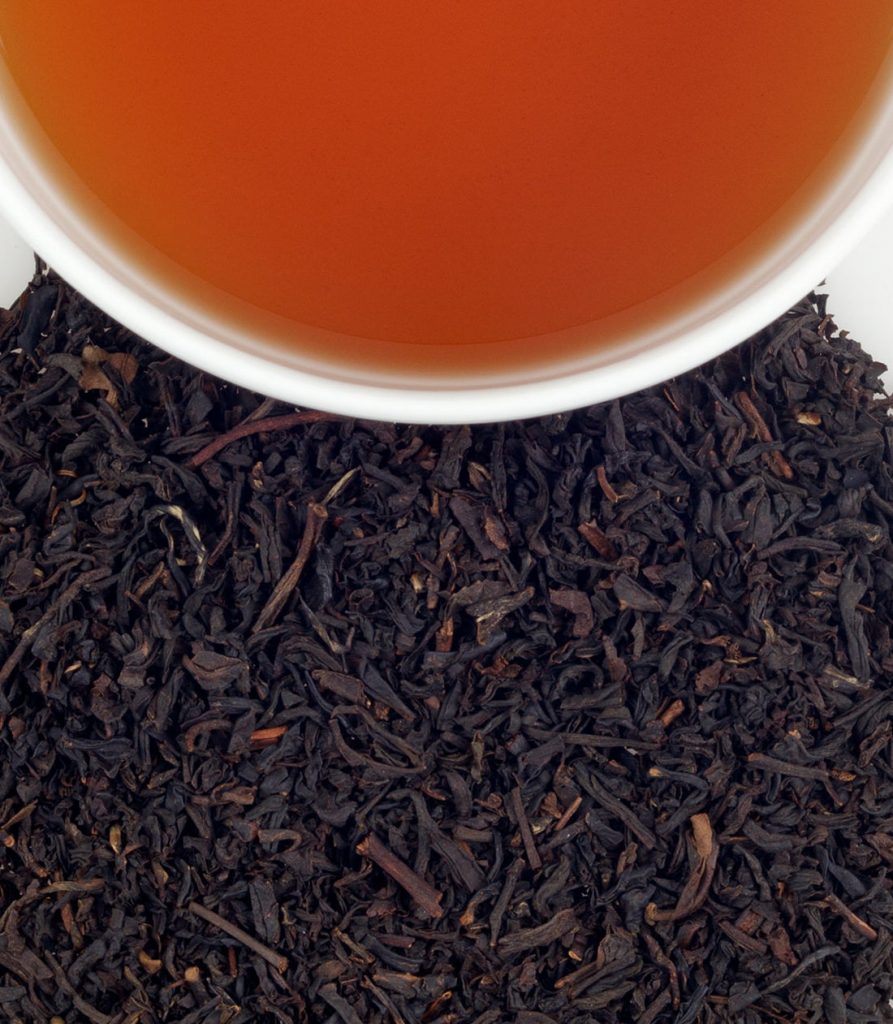
This is also why quality matters. A forgettable tea disappears beneath hot water. A well-made blend gives you layers to notice: briskness, body, fruit, spice, flowers, toasted notes, or a clean finish that makes you reach for another sip. Harney & Sons treats flavor as the main event. The attractive tins help. The family story adds warmth. Still, the real test happens when the water meets the tea.
Loose Leaf, Teabag, or Sachet? Choose the Life You Actually Live.
Tea lovers sometimes turn brewing formats into a moral argument. That is unnecessary. The best format is the one you will use.
Loose leaf gives you control. You can adjust the amount, watch the leaves expand, and turn preparation into a small craft. It suits quiet mornings, weekend breakfasts, and anyone who enjoys learning how temperature and steeping time change a cup. A simple infuser removes most of the fuss. Measure, steep, lift, and drink. It is less like performing a ceremony and more like cooking one excellent egg: basic, tactile, and satisfying when done with care.
Traditional teabags prioritize speed and familiarity. Keep them at work, pack them for a trip, or use them when washing an infuser feels like one task too many. Sachets sit neatly between those worlds. Their roomier shape allows larger pieces of tea to move and infuse, while the single-serving format remains convenient. Harney & Sons offers many popular blends across these formats, so you do not need to change your schedule to enjoy better tea.
That flexibility is one of the brand’s smartest qualities. Premium should not mean precious. If a beautiful product is too inconvenient to use, it becomes shelf decoration. Tea should leave the tin.
Hot Cinnamon Spice: The Cup That Refuses to Whisper
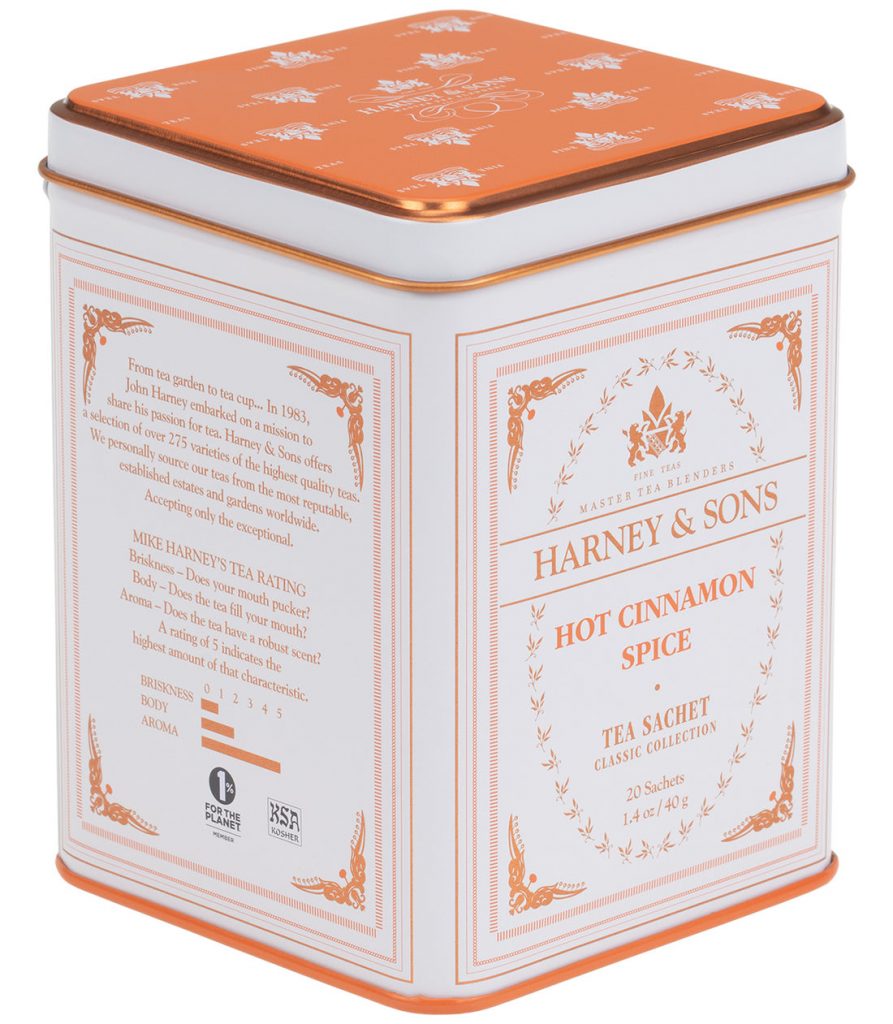
Some teas introduce themselves politely. Hot Cinnamon Spice kicks open the door.
This is Harney & Sons’ best-known and most popular blend for a reason. The recipe combines black tea with three kinds of cinnamon, orange peel, and sweet cloves. The first impression is bold and warming, almost like opening an oven while something spiced is baking. Then the citrus lifts the cup, keeping the flavor from becoming flat or heavy.
Here is the surprise: the blend tastes remarkably sweet even though Harney & Sons says it contains no added sugar or sweeteners. That perceived sweetness comes from the spices themselves. For someone trying to make an afternoon drink feel indulgent without automatically reaching for syrup, whipped cream, or a spoonful of sugar, that is a meaningful advantage. It feels like a treat but still tastes like tea.
Hot Cinnamon Spice is especially persuasive in cold weather, yet it is not limited to sweater season. Brew it strong and pour it over ice, and the cinnamon becomes bright rather than cozy. Add a splash of milk for a rounder cup. Serve it after dinner when dessert sounds like too much but plain water feels joyless. One blend, several moods.
There is history behind it, too. John Harney developed the tea in the early 1980s, and it has grown into a signature product rather than a passing seasonal novelty. Longevity does not prove that everyone will love a flavor this intense. It does show that the blend has a clear identity. In a market full of safe, blurry products, clarity is refreshing.
Paris: Softer, Smoother, and More Mysterious
If Hot Cinnamon Spice is a crackling fireplace, Paris is a café window after rain.
Created by Mike Harney as a tribute to Paris and to his French wife, Brigitte, the blend layers black and oolong teas with black currant, vanilla, caramel, and a hint of bergamot. On paper, that sounds busy. In the cup, the elements work like instruments in a small jazz group: each one appears, steps back, and makes room for the next.
The black currant brings dark fruit. Vanilla and caramel soften the edges. Bergamot adds a citrusy lift familiar to Earl Grey drinkers, but Paris feels rounder and more dessert-like. It is aromatic without turning into perfume. It is sweet in character without demanding extra sugar. That balance makes it easy to drink hot, with a little milk, or over ice.
Paris is a useful choice for households where people disagree about tea. Traditional black-tea drinkers can recognize the base. Fans of flavored tea get plenty to explore. Newcomers receive an immediate aroma rather than a lesson they must study before enjoying the cup. You do not need a trained palate. You only need a nose.
And that is an important point. Buying premium tea should not feel like taking an exam. You are allowed to choose what smells wonderful, what matches your breakfast, or what makes the kitchen feel inviting. Expertise can deepen pleasure, but pleasure comes first.
A Collection Large Enough to Follow Your Curiosity
More than 300 varieties may sound overwhelming. In practice, that range lets you explore in a logical way. Start with what you already like, then move one step sideways.
If you enjoy strong breakfast tea, try another black tea with a different origin or level of briskness. If floral aromas appeal to you, look toward scented or fruit-forward blends. If you want a lighter cup, explore green or white teas and follow the specific brewing directions, since cooler water often suits them better than a full boil. Oolong occupies a fascinating middle ground, with styles that can lean floral, creamy, roasted, or deep. Matcha offers a different texture and preparation altogether. Herbal infusions open another door, especially for people who want options beyond traditional tea leaves.
The trick is not to buy a cabinet full of random tins. Build a small flavor wardrobe. Keep one dependable daily tea, one adventurous tea, and one evening option. It is the same logic you use with clothing: a favorite pair of jeans, something sharp for going out, and something soft for staying in. When every tea has a role, each one gets used.
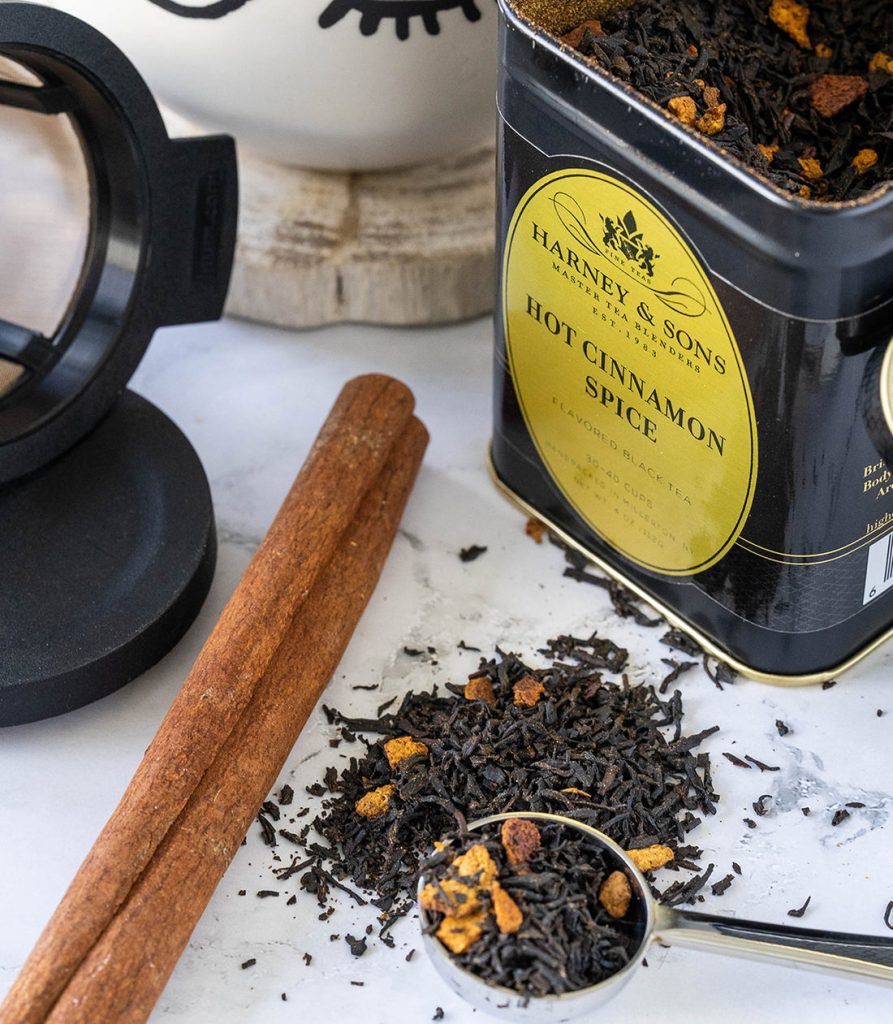
If loose tea seems intimidating, begin with a starter setup that includes an infuser and a measuring spoon, or choose samples before committing to a larger tin. A small experiment teaches you more than reading twenty tasting notes. Brew the tea according to the instructions, taste it plain, and then adjust. Shorter. Stronger. A little milk. More ice. Your kitchen is the laboratory, and the worst possible result is usually just one imperfect cup.
When Packaging Becomes Part of the Experience
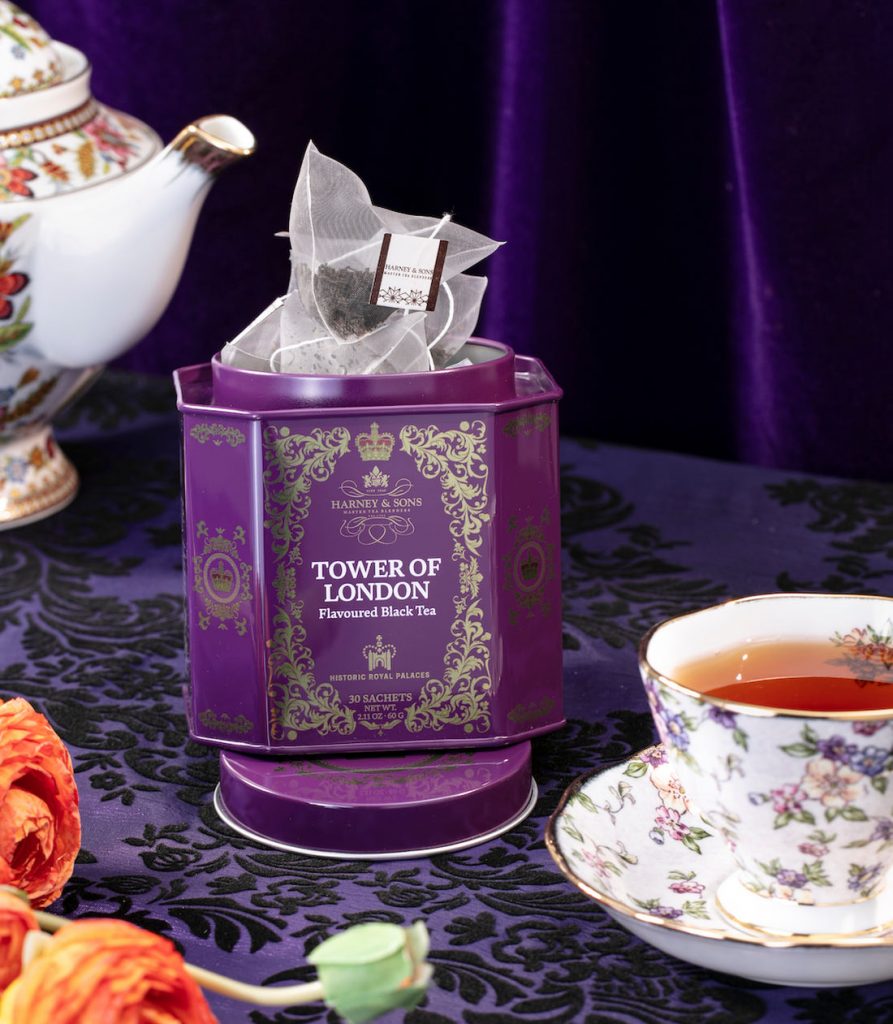
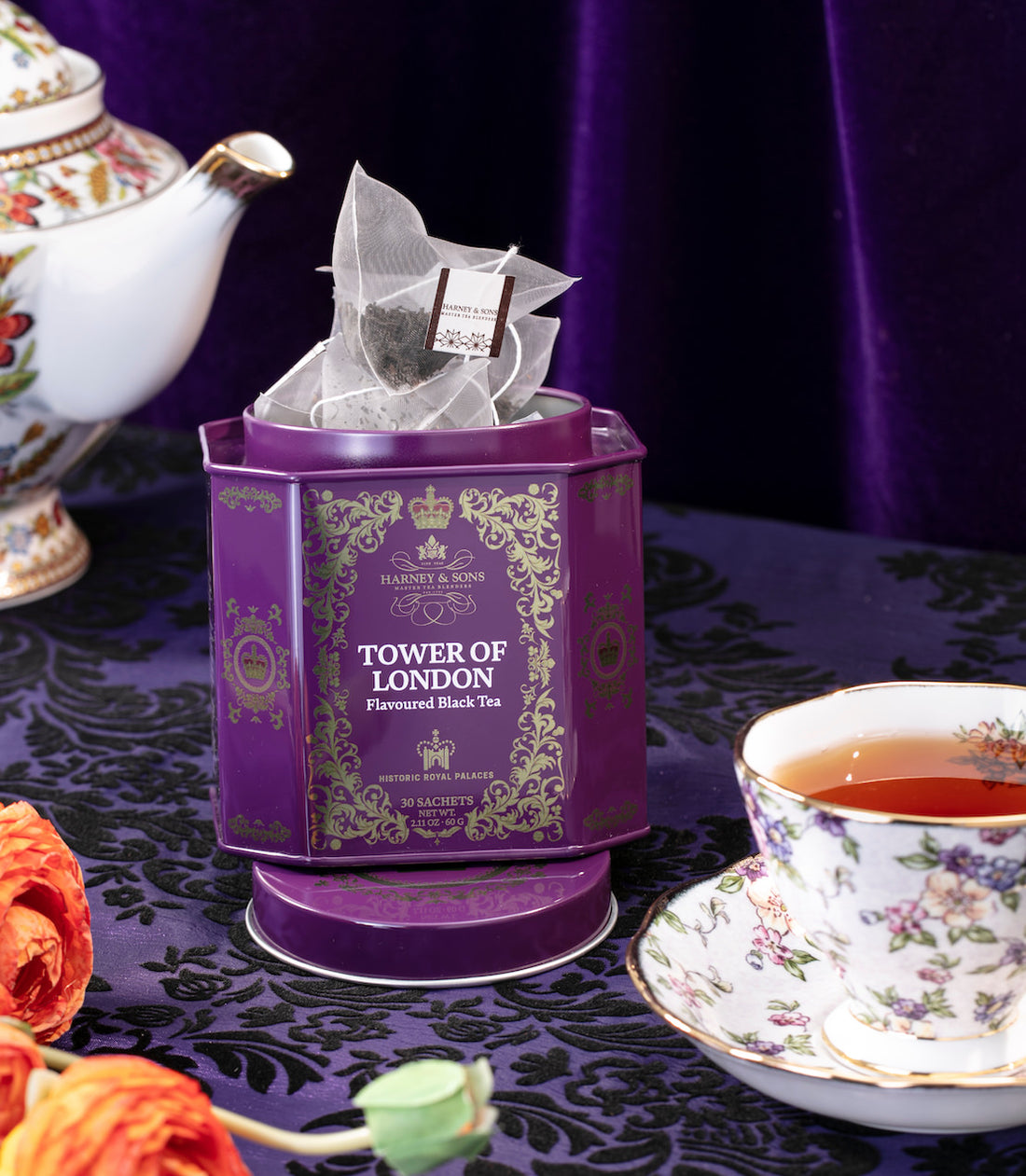
Harney & Sons knows that we taste with our eyes before we ever lift the lid. Its collaboration with Historic Royal Palaces turns that idea into a whole collection. The English-inspired blends arrive in jewel-toned tins, with designs that feel at home beside a floral teacup or on a modern kitchen shelf. The packaging carries a sense of occasion, but the tea remains ready for ordinary use.
That combination is harder to achieve than it looks. Too much ceremony makes a product feel untouchable. Too little detail makes a gift feel generic. These tins land in the middle: decorative enough to present, practical enough to open tomorrow morning. They also give the recipient a story to tell. A tin inspired by royal palaces offers more conversation than another anonymous box with a bow.
The Metropolitan Museum of Art collaboration takes a different route. Here, works and decorative traditions from The Met’s collection shape the visual identity of the tins. Tea and art make natural partners. Both reward attention. Both can be approached casually or studied for years. Both invite you to slow down and notice small differences.
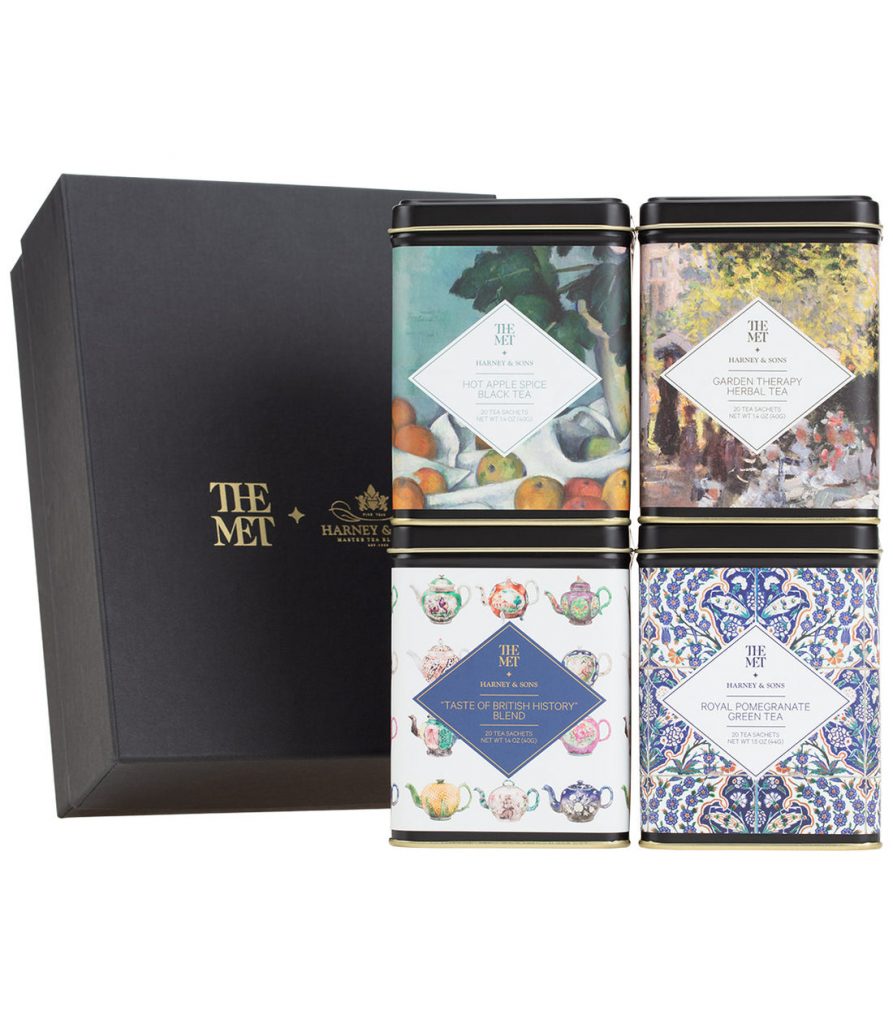
The Met gift set gathers four art-inspired tins in a black-and-gold presentation box. It looks substantial before it is even opened, yet the contents are meant to be brewed and shared. That makes it suitable for the difficult people on your gift list—the host who already owns everything, the colleague you want to thank without being overly personal, or the family member who values objects with design and context.
Good gifting is not about choosing the largest box. It is about giving someone an experience with a clear beginning. Open the package. Pick a tin. Heat the water. Talk while it steeps. Tea supplies the script without making the moment feel scripted.
The Tea Chest Effect: Hospitality Without the Performance
A tea chest changes a simple offer—“Would you like tea?”—into a small experience. Instead of guessing what your guest wants, you open the lid and let them choose. The colors, names, and aromas do the social work for you. Suddenly the conversation has somewhere to go.
Harney & Sons offers chests and samplers with individually wrapped options, as well as gift sets built around popular blends. They are useful for more than formal entertaining. Put a chest in a home office and the afternoon break becomes easier. Keep one in a guest room and it feels thoughtful without being fussy. Bring one to a family gathering and watch people compare choices as if they were selecting tiny destinations.
Teaware can support the same idea. A dependable infuser, a comfortable mug, a travel tumbler, or a teapot does not need to be elaborate. It only needs to remove friction. The easier it is to brew tea well, the more often you will do it. Think of the tools as a good frame around a picture: they should improve the experience without stealing attention from what matters.
How to Choose Your First Harney & Sons Order
Do not begin by asking, “What is the best tea?” There is no universal answer. Ask better questions.
When will you drink it? If the answer is early morning, a black tea may fit naturally. If you want an evening ritual, examine herbal and decaffeinated choices and check each product’s caffeine information. Do you enjoy assertive flavors? Hot Cinnamon Spice makes a confident starting point. Prefer fruit, vanilla, and a softer aromatic profile? Paris is the obvious invitation.
How will you brew it? Choose sachets or teabags for convenience, loose leaf for control, and iced-tea pouches when you regularly make a pitcher. Are you buying for yourself or for someone else? A sample or small tin encourages exploration. A tea chest creates variety. A collaboration gift set adds visual impact and a sense of story.
Most important, read the brewing directions for the tea you choose. Water temperature and steeping time are not decorative suggestions. They are the difference between a balanced cup and one that tastes thin, harsh, or muddled. Start with the recommendation, then adjust to your taste. Tea is personal, but it is not mysterious.
A Small Luxury You Can Actually Repeat
Luxury is often sold as escape: a distant hotel, an expensive reservation, a day that requires planning. Harney & Sons offers a more useful version. Its luxury fits between meetings. It sits beside a book. It travels in a thermos. It waits in the cupboard until the house finally becomes quiet.
That repeatability is the real appeal. One beautiful cup will not reorganize your life. But a ritual you genuinely enjoy can change the texture of ordinary days. It gives you something sensory to anticipate. It helps you welcome people without staging a production. It turns five minutes of waiting into five minutes that belong to you.
So, should you buy tea because the tin is attractive, the family story is warm, or the selection is enormous? Those are good reasons to look. The reason to stay is simpler: the tea makes you want another cup.
Start with one flavor that sounds unmistakably like you. Brew it properly. Put your phone down while it steeps. Take the first sip before the day rushes back in. That is not a grand transformation. It is something better—a small pleasure you can repeat tomorrow.